


SEO Checklist 2026 for WordPress Blogs (Beginner to Advanced)

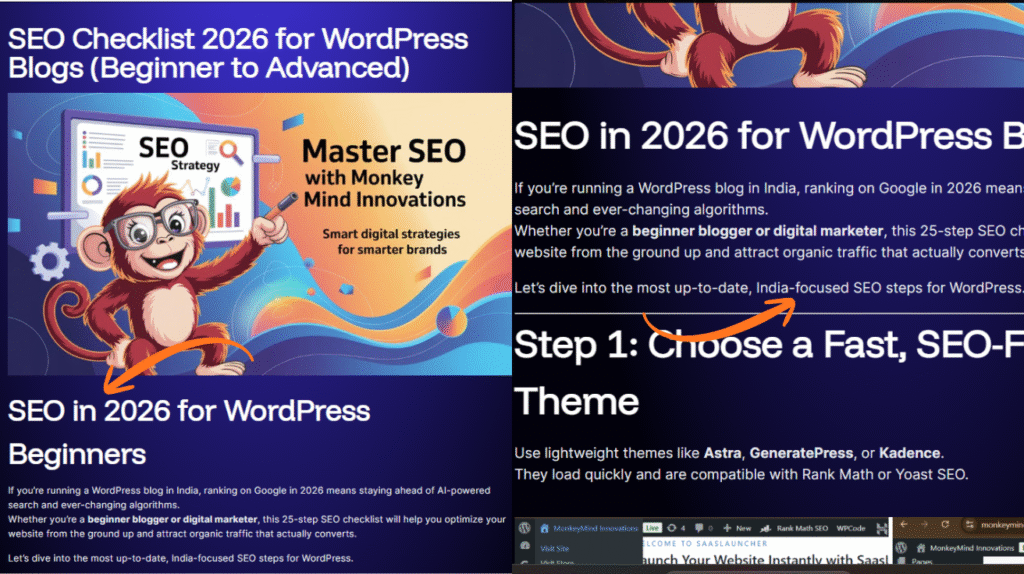
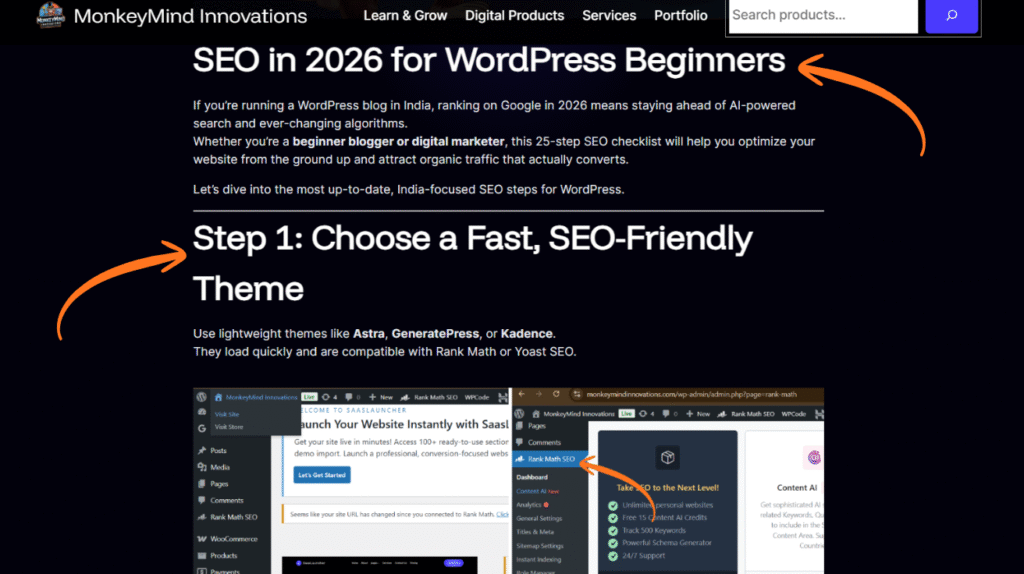
SEO in 2026 for WordPress Beginners
If you’re running a WordPress blog in India, ranking on Google in 2026 means staying ahead of AI-powered search and ever-changing algorithms.
Whether you’re a beginner blogger or digital marketer, this 25-step SEO checklist will help you optimize your website from the ground up and attract organic traffic that actually converts.
Let’s dive into the most up-to-date, India-focused SEO steps for WordPress.
Step 1: Choose a Fast, SEO-Friendly Theme
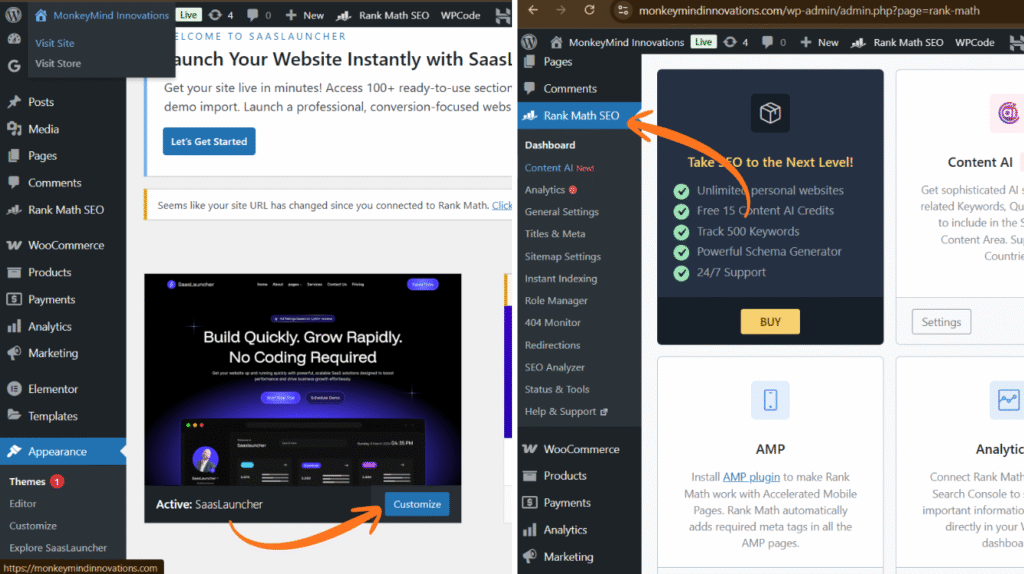
Use lightweight themes like Astra, GeneratePress, or Kadence.
They load quickly and are compatible with Rank Math or Yoast SEO.
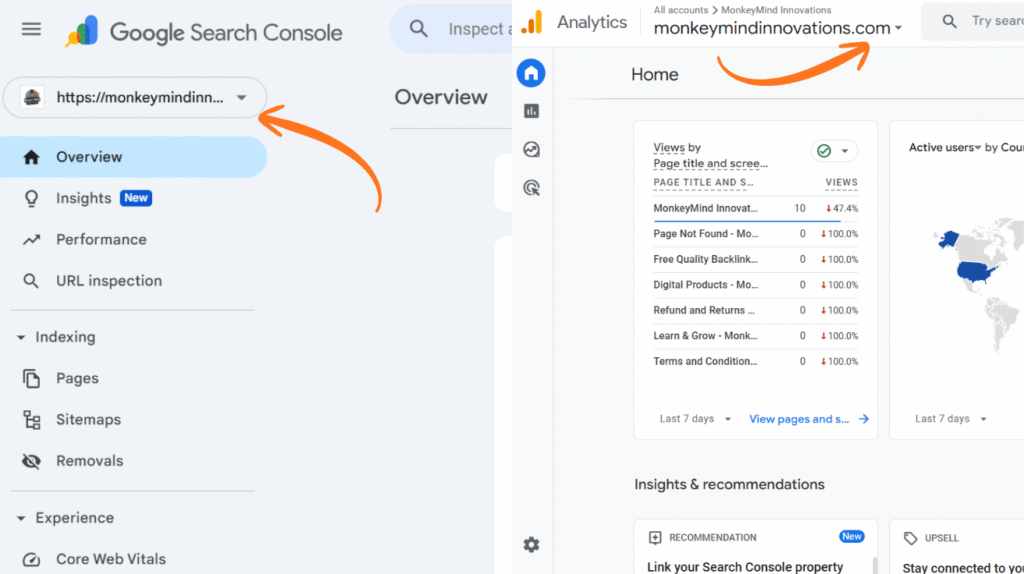
🌐 Step 3: Set Up Google Search Console & Bing Webmaster Tools
These tools track your site performance, coverage, and keyword rankings.
Also connect Microsoft Bing Webmaster Tools — it powers AI assistants like Copilot.
📊 Step 4: Add Google Analytics 4 (GA4)
Use GA4 to track user behavior, traffic sources, and conversions.
🗺️ Step 5: Submit an XML Sitemap
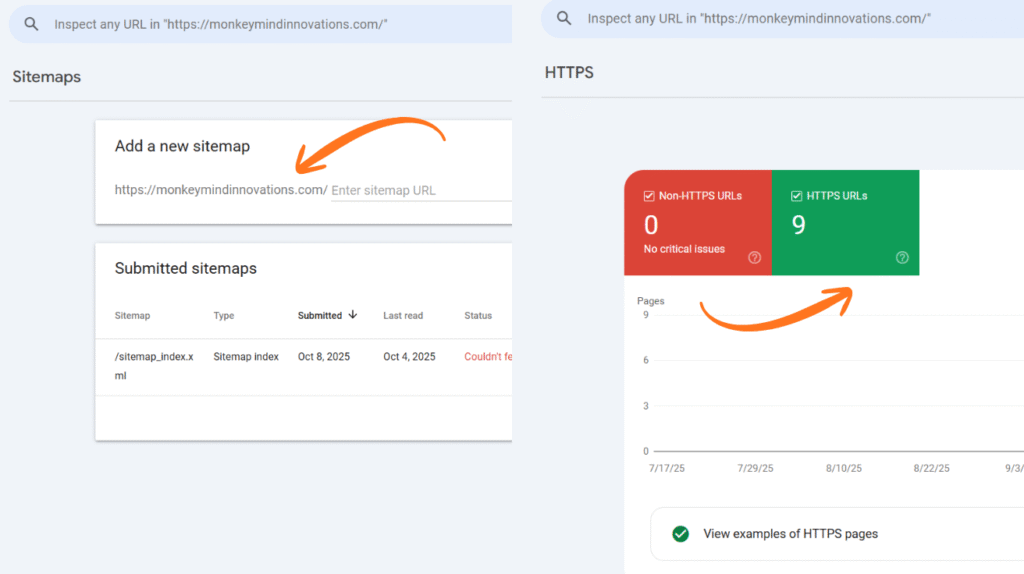
Your SEO plugin will generate it automatically.
Submit the sitemap URL to Google Search Console for faster indexing.
🔒 Step 6: Enable HTTPS Security
Use an SSL certificate (most Indian hosts provide free SSL).
Google ranks secure (https://) websites higher.
⚙️ Step 7: Optimize Permalinks
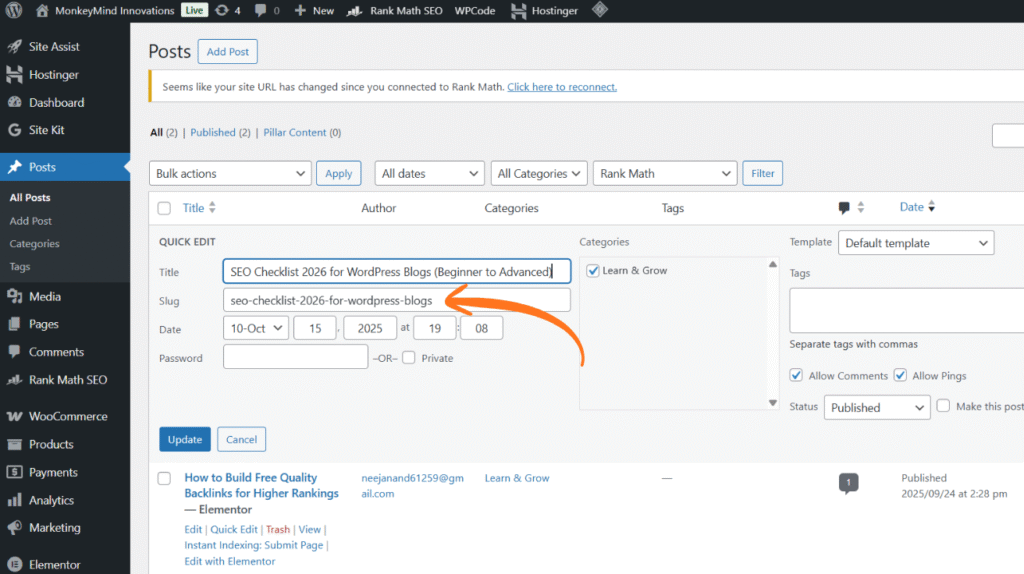
Go to Settings → Permalinks → Post Name.
This gives your URLs a clean, SEO-friendly structure (e.g., /seo-checklist-2026/).
🔍 Step 8: Research Indian Keywords
Use Ubersuggest India, Semrush India, or Google Trends (India) to discover relevant, high-volume keywords.
🧠 Step 9: Target Local + Intent-Based Keywords
Combine niche and location.
Example: “SEO agency in Ludhiana” or “best WordPress SEO tips India”.
✍️ Step 10: Assign One Focus Keyword per Post
Each article should focus on one main keyword with 2–3 supporting variations.
This improves clarity and ranking consistency.
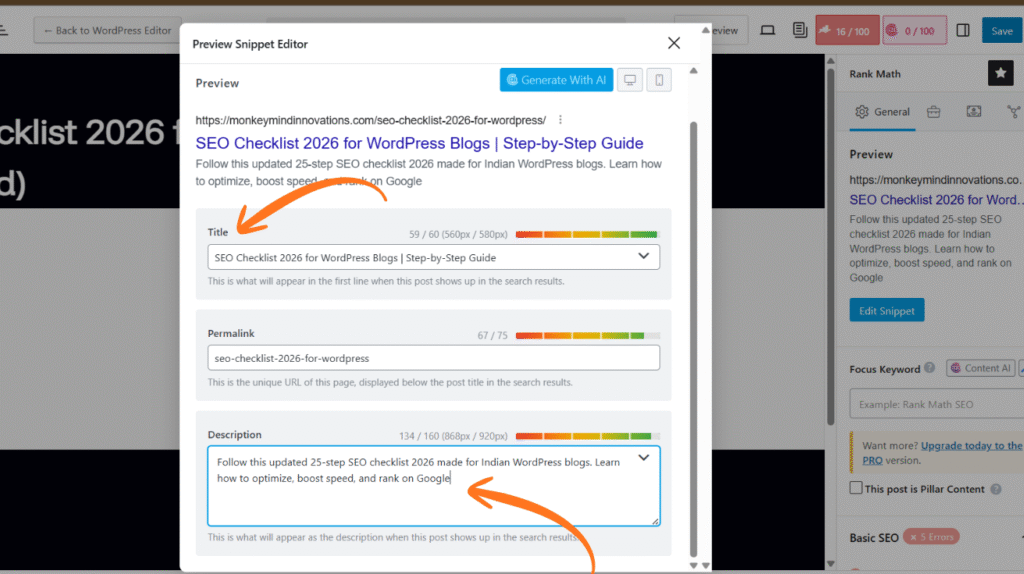
🏷️ Step 11: Craft an SEO Title
Keep it under 60 characters, clear, and click-worthy.
Example: “SEO Checklist 2026: How to Rank Your WordPress Blog in India.”
💬 Step 12: Write a Compelling Meta Description
Keep it under 155 characters.
Add your keyword naturally and a small hook to increase click-through rate.
🧱 Step 13: Structure Content with Headings (H1, H2, H3)
Use your main keyword in H1 and variations in H2/H3.
Headings make your post more scannable and SEO-friendly.
🖼️ Step 14: Optimize Images
Use WebP format and plugins like Smush or ShortPixel.
Rename images with descriptive keywords and include alt text.
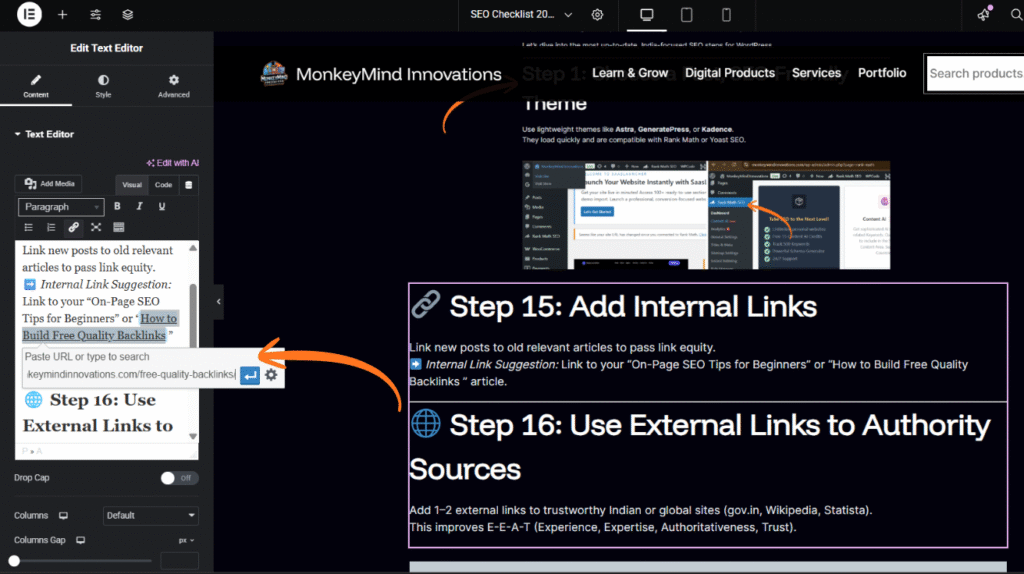
🔗 Step 15: Add Internal Links
Link new posts to old relevant articles to pass link equity.
➡️ Internal Link Suggestion: Link to your “On-Page SEO Tips for Beginners” or “How to Build Free Quality Backlinks ” article.
🌐 Step 16: Use External Links to Authority Sources
Add 1–2 external links to trustworthy Indian or global sites (gov.in, Wikipedia, Statista).
This improves E-E-A-T (Experience, Expertise, Authoritativeness, Trust).
🚀 Step 17: Speed Up Your Blog
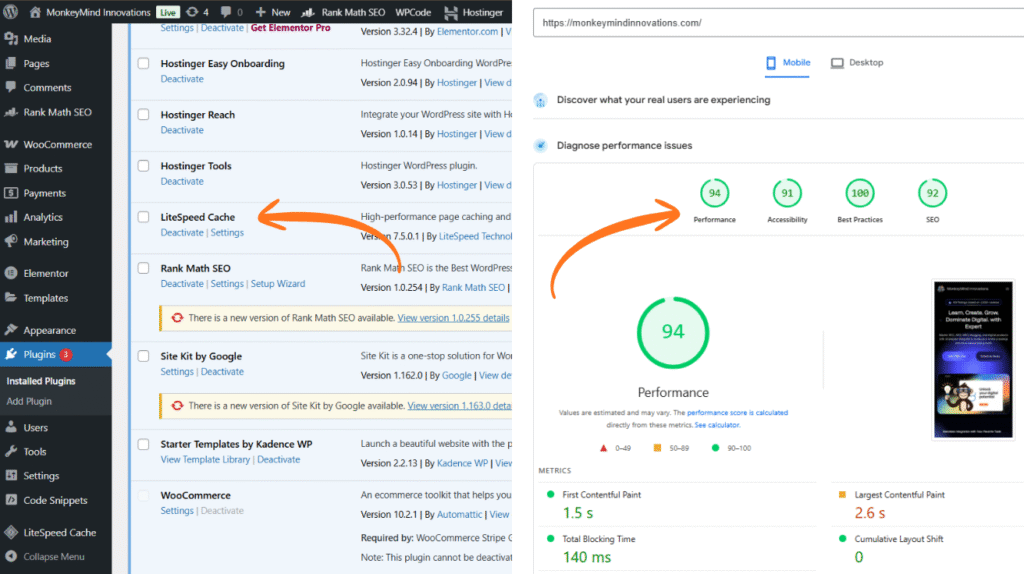
Install LiteSpeed Cache or WP Rocket.
Enable lazy loading and use a CDN like Cloudflare India for faster performance.
📱 Step 18: Ensure Mobile-Friendliness
Over 80% of Indian users browse via mobile.
Test with Google’s Mobile-Friendly Tool to ensure your blog looks perfect on smartphones.
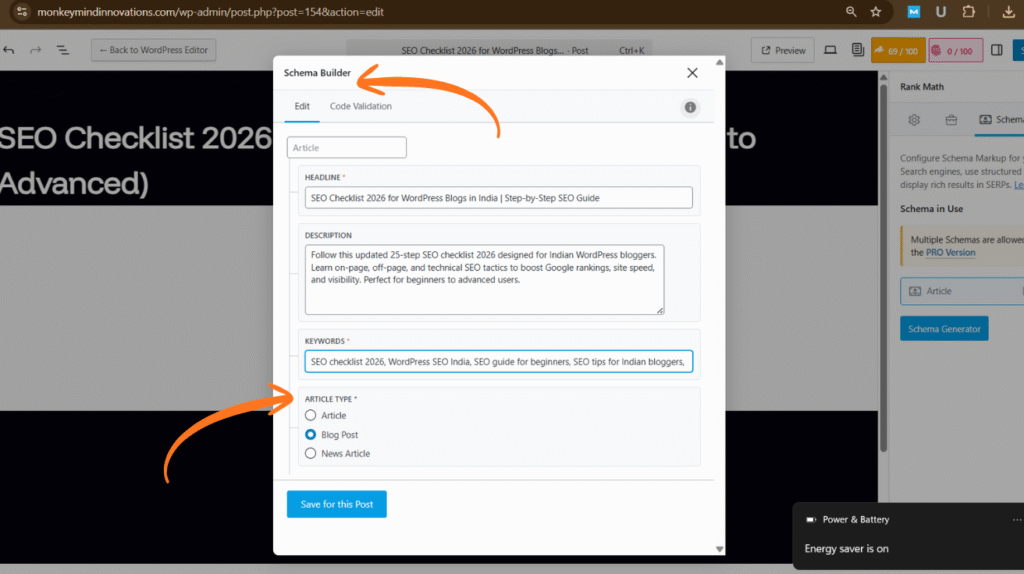
📈 Step 19: Add Schema Markup
Use your SEO plugin or Schema Pro to add Article, FAQ, or How-To schema.
This improves your chances of appearing in rich results.
🔗 Step 20: Build Quality Indian Backlinks
Reach out to Indian bloggers, guest post on local sites, or list your blog in Indian blog directories like Blogadda or IndiBlogHub.
🗣️ Step 21: Optimize for Voice & AI Search
Write conversational, short Q&A-style paragraphs like:
Q: What is the best SEO plugin for WordPress India?
A: Rank Math SEO is ideal for Indian WordPress blogs because it offers easy setup and local keyword optimization.
📆 Step 22: Update Old Content Regularly
Refresh posts every 3–6 months with new data, tools, or year updates (2026 → 2027).
It keeps your content “fresh” for Google’s ranking algorithm.
🗂️ Step 23: Clean Up Categories & Tags
Keep only a few focused categories and relevant tags.
Avoid duplicate tag pages they waste crawl budget.
🧭 Step 24: Track Performance
In Google Search Console, monitor top pages, queries, and CTR.
Optimize meta titles for posts with low CTR but high impressions.

🏁 Step 25: Promote Your Blog
Share your articles on LinkedIn, Threads, Facebook, and Quora India.
Also optimize for Google Discover fresh, visual content performs best.
Leave a Reply